To His Coy Mistress
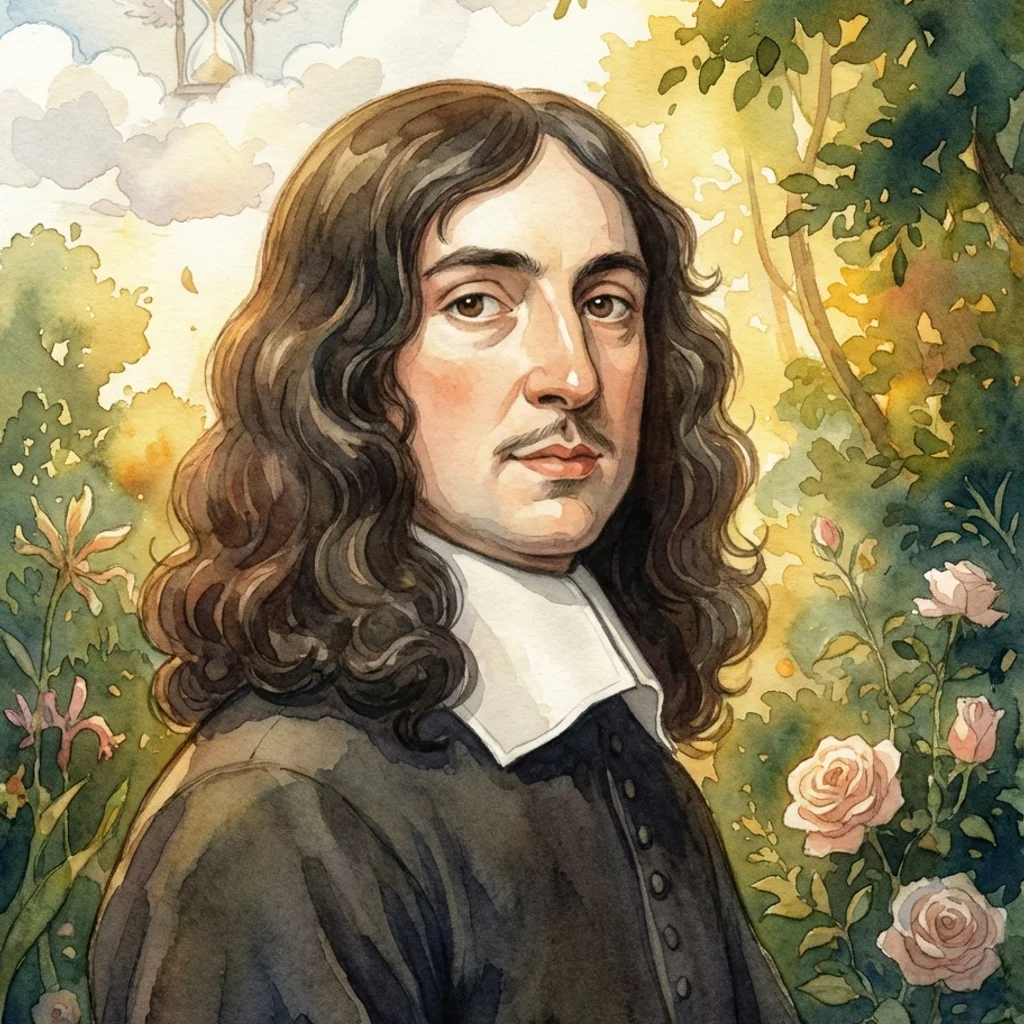 Andrew Marvell
Written: c. 1650 • Published: 1681
This poem is in the public domain and may be freely reproduced.
Had we but world enough, and time, This coyness, Lady, were no crime. We would sit down and think which way To walk and pass our long love’s day. Thou by the Indian Ganges’ side Shouldst rubies find: I by the tide Of Humber would complain. I would Love you ten years before the Flood, And you should, if you please, refuse Till the conversion of the Jews. My vegetable love should grow Vaster than empires, and more slow; An hundred years should go to praise Thine eyes and on thy forehead gaze; Two hundred to adore each breast; But thirty thousand to the rest; An age at least to every part, And the last age should show your heart; For, Lady, you deserve this state, Nor would I love at lower rate. But at my back I always hear Time’s wingèd chariot hurrying near; And yonder all before us lie Deserts of vast eternity. Thy beauty shall no more be found, Nor, in thy marble vault, shall sound My echoing song: then worms shall try That long preserved virginity, And your quaint honour turn to dust, And into ashes all my lust: The grave’s a fine and private place, But none, I think, do there embrace. Now therefore, while the youthful hue Sits on thy skin like morning dew, And while thy willing soul transpires At every pore with instant fires, Now let us sport us while we may, And now, like amorous birds of prey, Rather at once our time devour Than languish in his slow-chapt power. Let us roll all our strength and all Our sweetness up into one ball, And tear our pleasures with rough strife Thorough the iron gates of life: Thus, though we cannot make our sun Stand still, yet we will make him run.
Curator's Note
One of literature's great seduction poems, Marvell transforms the ancient 'carpe diem' theme into a metaphysical tour de force. The argument moves brilliantly: 'Had we but world enough, and time' (we don't), 'But at my back I always hear / Time's wingèd chariot hurrying near' (death approaches), therefore 'let us sport us while we may' (let's seize the day). The middle section's memento mori—worms trying the mistress's 'long preserved virginity'—is grotesque enough to be unforgettable. This is courtship by logic, passion disguised as syllogism.
Related Poems
1648

1947
1911
1817