Miniver Cheevy
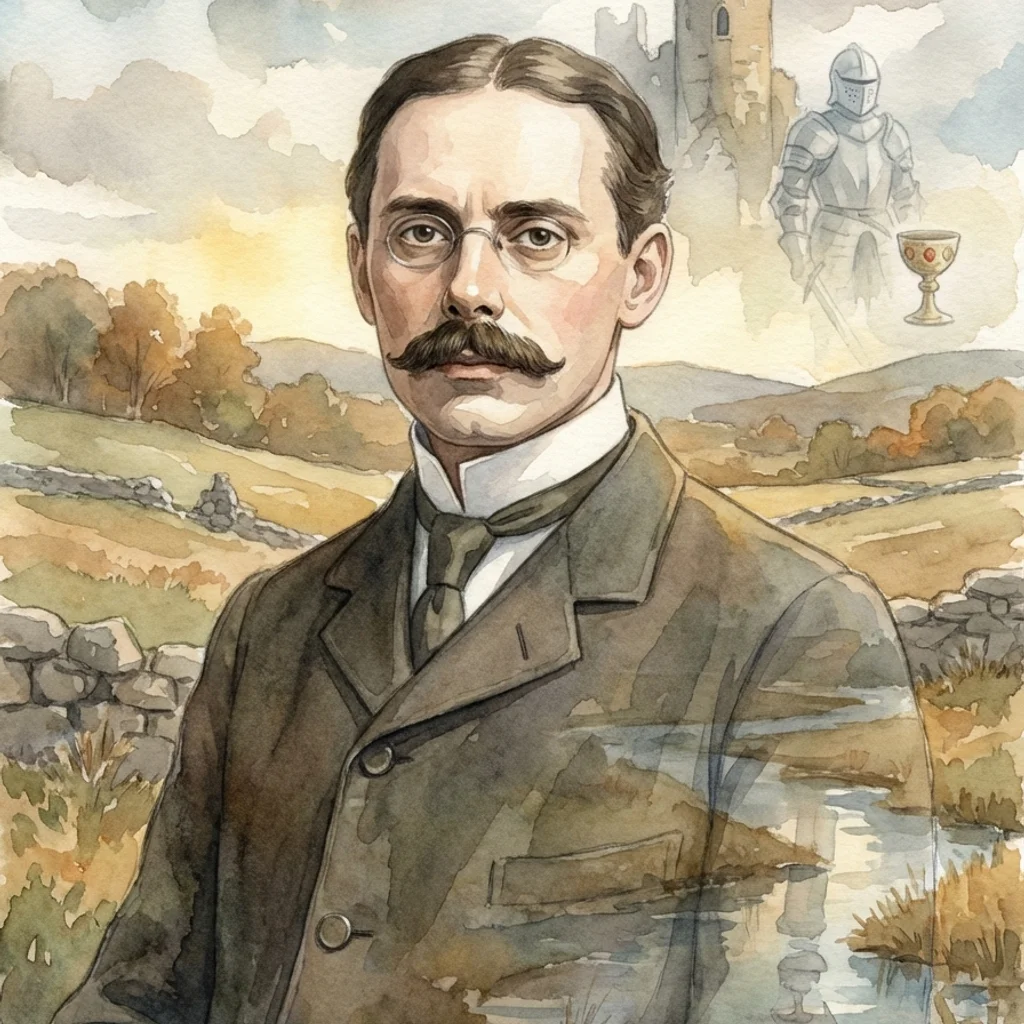 Edwin Arlington Robinson
Written: 1910 • Published: 1910
This poem is in the public domain and may be freely reproduced.
Miniver Cheevy, child of scorn, Grew lean while he assailed the seasons; He wept that he was ever born, And he had reasons.
Miniver loved the days of old When swords were bright and steeds were prancing; The vision of a warrior bold Would set him dancing.
Miniver sighed for what was not, And dreamed, and rested from his labors; He dreamed of Thebes and Camelot, And Priam’s neighbors.
Miniver mourned the ripe renown That made so many a name so fragrant; He mourned Romance, now on the town, And Art, a vagrant.
Miniver loved the Medici, Albeit he had never seen one; He would have sinned incessantly Could he have been one.
Miniver cursed the commonplace And eyed a khaki suit with loathing; He missed the medieval grace Of iron clothing.
Miniver scorned the gold he sought, But sore annoyed was he without it; Miniver thought, and thought, and thought, And thought about it.
Miniver Cheevy, born too late, Scratched his head and kept on thinking; Miniver coughed, and called it fate, And kept on drinking.
Curator's Note
Robinson's portrait of a romantic dreamer is devastating in its gentle mockery. Miniver Cheevy longs for the Trojan War, medieval days, the Medici—any time but the prosaic present. He 'loved the days of old / When swords were bright and steeds were prancing,' but he was 'born too late.' The killer detail: 'Miniver coughed, and called it fate, / And kept on drinking.' Robinson exposes the self-pity of those who blame their failures on being born in the wrong era. It's a timeless portrait of the romantic malcontent, the person who mistakes nostalgia for profundity and inaction for tragedy.
Related Poems

1915
1807
1920
1911