I would I were a careless child
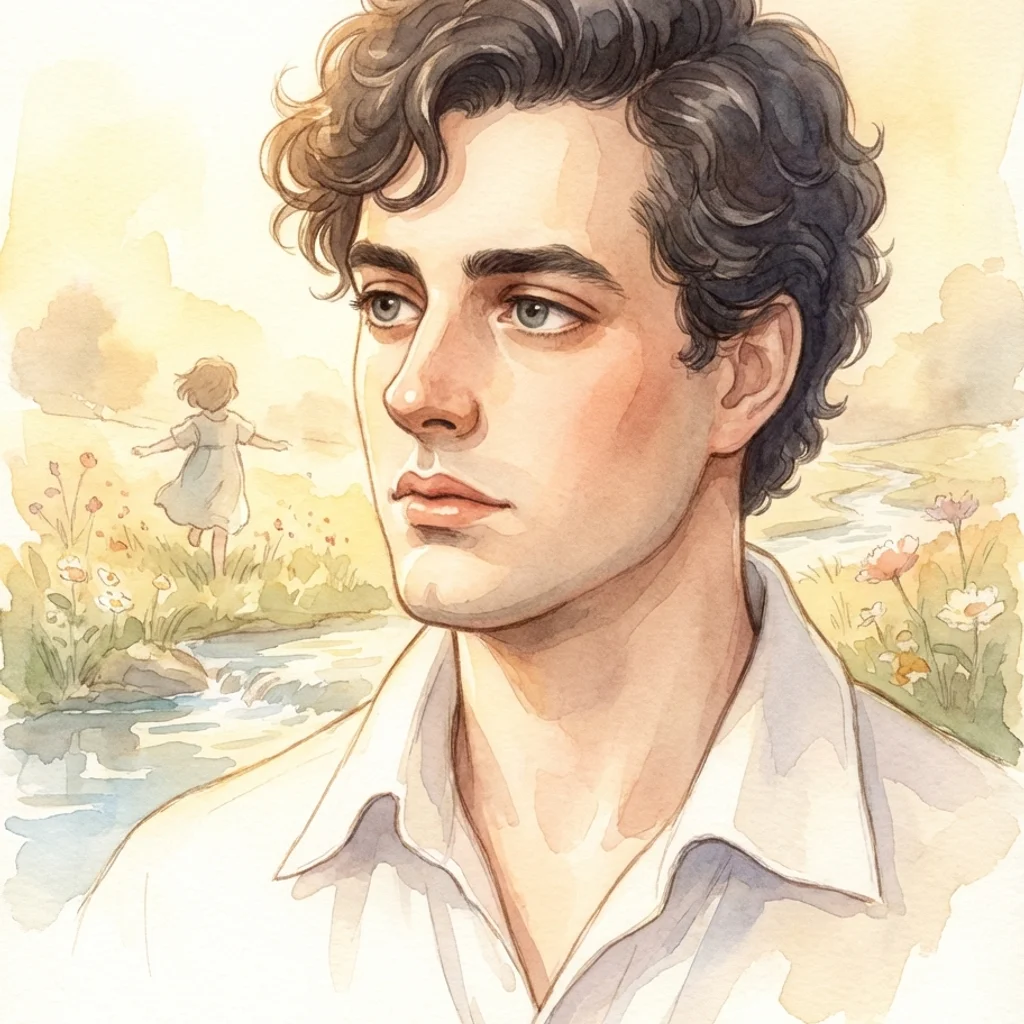 Lord Byron
Written: 1807 • Published: 1807
This poem is in the public domain and may be freely reproduced.
I would I were a careless child, Still dwelling in my Highland cave, Or roaming through the dusky wild, Or bounding o’er the dark blue wave; The cumbrous pomp of Saxon pride Accords not with the freeborn soul, Which loves the mountain’s craggy side, And seeks the rocks where billows roll.
Fortune! take back these cultured lands, Take back this name of splendid sound! I hate the touch of servile hands, I hate the slaves that cringe around. Place me among the rocks I love, Which sound to Ocean’s wildest roar; I ask but this – again to rove Through scenes my youth hath known before.
Few are my years, and yet I feel The world was ne’er designed for me: Ah! why do dark’ning shades conceal The hour when man must cease to be? Once I beheld a splendid dream, A visionary scene of bliss: Truth! – wherefore did thy hated beam Awake me to a world like this?
I loved – but those I love are gone; Had friends – my early friends are fled: How cheerless feels the heart alone, When all its former hopes are dead! Though gay companions o’er the bowl Dispel awhile the sense of ill; Though pleasure stirs the maddening soul, The heart – the heart – is lonely still.
How dull! to hear the voice of those Whom rank or chance, whom wealth or power, Have made, though neither friends nor foes, Associates of the festive hour. Give me again a faithful few, In years and feelings still the same, And I will fly the midnight crew, Where boist’rous joy is but a name.
And woman, lovely woman! thou, My hope, my comforter, my all! How cold must be my bosom now, When e’en thy smiles begin to pall! Without a sigh would I resign This busy scene of splendid woe, To make that calm contentment mine, Which virtue know, or seems to know.
Fain would I fly the haunts of men – I seek to shun, not hate mankind; My breast requires the sullen glen, Whose gloom may suit a darken’d mind. Oh! that to me the wings were given Which bear the turtle to her nest! Then would I cleave the vault of heaven, To flee away, and be at rest.
Curator's Note
Written when Byron was just nineteen, this early lyric already shows his gift for capturing profound longing. The speaker wishes to return to childhood's 'careless' state—not careless in the sense of reckless, but free from care, unburdened by the weight of adult consciousness. Byron's own childhood was complicated: a clubfoot, an unstable mother, poverty followed by sudden inheritance of a title. Yet here he imagines childhood as a time of pure, unselfconscious joy. The poem moves from the wish ('I would I were') through memories of natural beauty to the painful recognition that such innocence, once lost, can never be recovered. It's a Romantic poem in its yearning for an idealized past, but there's something modern in its self-awareness, its knowledge that nostalgia itself is a kind of suffering. Youth looks back on childhood; age will look back on youth; we're always exiled from our former selves.
Related Poems
1915
1902
1922
1900