1 Corinthians 13
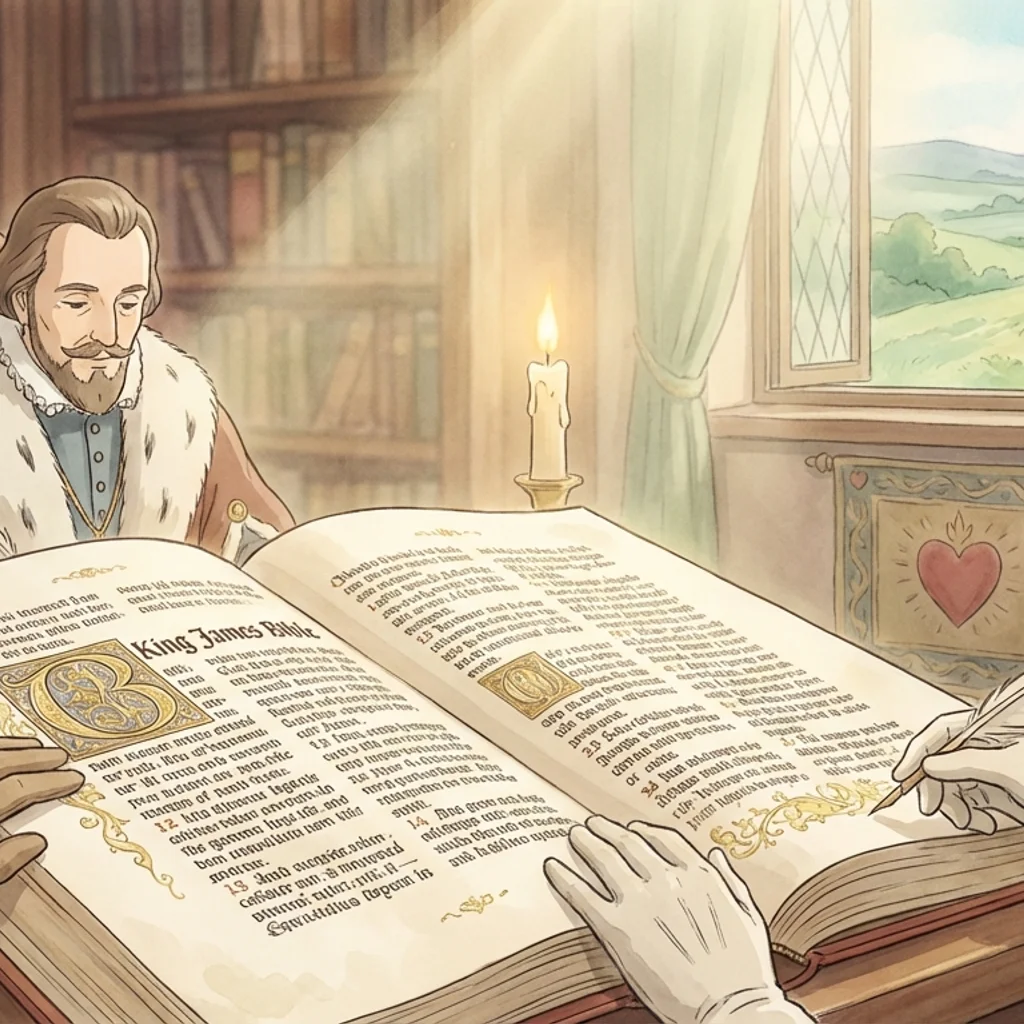 King James Bible
Written: 1611 • Published: 1611
This poem is in the public domain and may be freely reproduced.
Though I speak with the tongues of men and of angels, and have not charity, I am become as sounding brass, or a tinkling cymbal.
And though I have the gift of prophecy, and understand all mysteries, and all knowledge; and though I have all faith, so that I could remove mountains, and have not charity, I am nothing.
And though I bestow all my goods to feed the poor, and though I give my body to be burned, and have not charity, it profiteth me nothing.
Charity suffereth long, and is kind; charity envieth not; charity vaunteth not itself, is not puffed up,
Doth not behave itself unseemly, seeketh not her own, is not easily provoked, thinketh no evil;
Rejoiceth not in iniquity, but rejoiceth in the truth;
Beareth all things, believeth all things, hopeth all things, endureth all things.
Charity never faileth: but whether there be prophecies, they shall fail; whether there be tongues, they shall cease; whether there be knowledge, it shall vanish away.
For we know in part, and we prophesy in part.
But when that which is perfect is come, then that which is in part shall be done away.
When I was a child, I spake as a child, I understood as a child, I thought as a child: but when I became a man, I put away childish things.
For now we see through a glass, darkly; but then face to face: now I know in part; but then shall I know even as also I am known.
And now abideth faith, hope, charity, these three; but the greatest of these is charity.
Curator's Note
The Apostle Paul's great hymn to love, read at countless weddings, though it was originally written not about romantic love but about Christian charity (agape). The King James translation gave English literature some of its most quoted lines: 'Though I speak with the tongues of men and of angels, and have not charity, I am become as sounding brass, or a tinkling cymbal.' The famous catalog of love's qualities—'Charity suffereth long, and is kind; charity envieth not'—builds through repetition to define love not by what it is but by what it does and doesn't do. The chapter moves from the inadequacy of gifts without love, through love's nature, to the vision of ultimate knowledge: 'For now we see through a glass, darkly; but then face to face.' The final verse—'And now abideth faith, hope, charity, these three; but the greatest of these is charity'—elevates love above even faith. Paul wrote this to a fractious church in Corinth, reminding them that all their spiritual gifts meant nothing without love. It remains one of the most powerful statements about love's primacy in any language.
Related Poems
1611
1900
1965
1861